Plantation-first · CITES-honest · Indonesia
Indonesian agarwood export, graded openly — with the real permit path in the other hand.
Talk to the desk: WhatsApp +6281139414563 · bd@juaraholding.com
A provenance curation room for traceable Aquilaria & Gyrinops. Every resin grade is published with an honest price band and the exact CITES / BKSDA pathway it triggers. An information hub, not a licensing authority.
Indicative pricing as of 2026 — final quote confirms grade, resin density & scope.
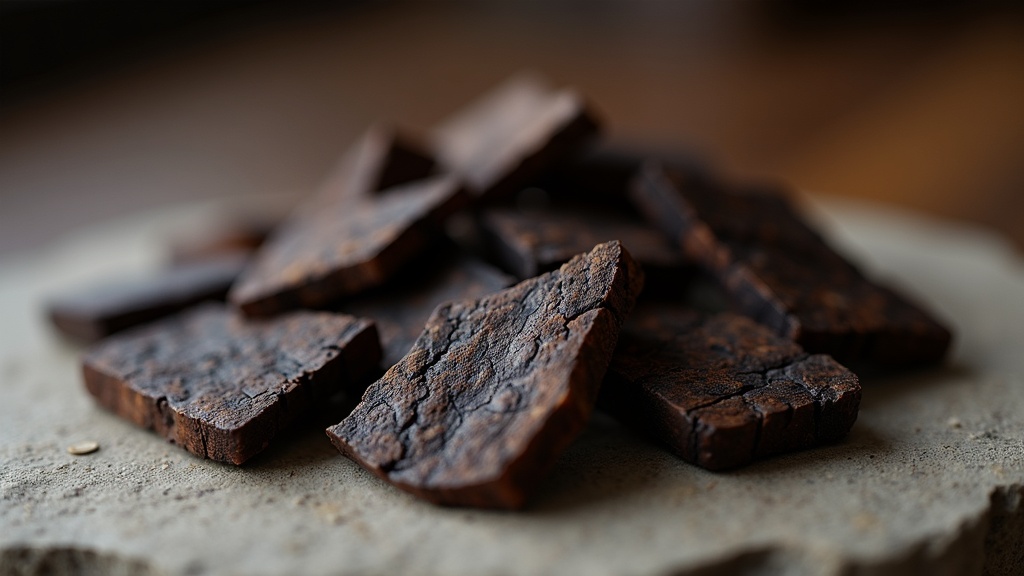
The differentiator
Grade-to-Band Assay Selector
Pick a product form, grade tier and source. We return an honest indicative band, the resin's typical characteristics, the exact permit path that grade + source triggers, and a plain-language honesty note. No live quotes, no fabricated precision.
$3,500 – $7,000 / kg
Very high resin saturation; sinks fully in water; deep, sweet-woody, long top note.
CITES Appendix II export permit + BKSDA harvest / lot registration + species ID (Aquilaria malaccensis / crassna or Gyrinops).
Indicative as of 2026; density-graded lots priced on inspection. Final price depends on assay, resin density and lot inspection.
This selector republishes static reference facts only. Legal export requires a CITES permit and a BKSDA recommendation — confirm current requirements with the CITES Management Authority (Indonesia) and your import country.
Data column 1 — source of truth
Grade → Band Reference Ledger
The honest reference the selector reads from. Bands are grade-dependent ranges, never single numbers. Canonical scope: plantation chips USD 500 – 7,000 / kg; oud oil USD 30,000 – 80,000 / kg (indicative, 2026).
| Grade | Form | Source | Indicative band · 2026 | Density test | Sensory profile |
|---|---|---|---|---|---|
| Super A | Chips | Plantation | $3,500 – $7,000 / kg | Sinks fully | Deep, sweet-woody, long top note |
| A | Chips | Plantation | $1,800 – $3,500 / kg | Sinks / semi-sinks | Rich sweet-woody aroma |
| B | Chips | Plantation | $900 – $1,800 / kg | Mostly floating | Warm woody, lighter sweetness |
| C | Chips | Plantation | $500 – $900 / kg | Floats | Light woody, entry-grade volume |
| Super A | Oud Oil | Plantation | $60,000 – $80,000 / kg | Top-cut distillation | Dense, complex, long-lasting oud |
| A / B | Oud Oil | Plantation | $35,000 – $65,000 / kg | Standard cut | Balanced, resinous, sweet-smoky |
| A – C | Chips / Oil | Wild (legal quota) | Quota-limited — on inspection | Grade-tested per lot | Placed only against a verified legal quota |
| Super A | Chips / Oil | Wild | Not brokered | — | We only place plantation-verified lots for this tier |
Indicative as of 2026 — final quote confirms grade, resin density & scope. Bands are ranges; we never publish a fake precise number.
Data column 2 — honesty as a strength
Plantation vs Wild-Sustainable
We are plantation-first. Both sources sit under CITES Appendix II; the difference is permit burden, availability and traceability. We never promote or place undocumented wild-harvest.
| Dimension | Cultivated Plantation preferred | Wild-Sustainable (legal quota) |
|---|---|---|
| CITES status | Appendix II | Appendix II |
| Legality / permit burden | Inoculated stock, clear chain — standard Appendix II export permit | Stricter: legal annual harvest quota + provincial BKSDA recommendation |
| Sustainability | Renewable; inoculated Aquilaria replanted | Pressure-sensitive; only where quota is verifiable |
| Typical availability | Consistent, scalable lots | Scarce, quota-capped |
| Price tendency | Predictable within grade band | Higher & volatile; premium for scarcity |
| Traceability | Plantation-to-lot documented | Requires quota & harvest-registration proof |
Data column 3 — the permit atlas
CITES / BKSDA Permit Pathway
The legal export path, step by step, each naming the responsible party. We broker and document; we are not the BKSDA or the CITES Management Authority.
-
01
Species identification
Confirm the botanical species — Aquilaria malaccensis / crassna or Gyrinops. Responsible: exporter + accredited scientific reference
-
02
BKSDA harvest / lot registration
Register the plantation lot or legal wild quota with the provincial conservation agency. Responsible: BKSDA (regional)
-
03
CITES Appendix II export permit
Permit issued on a BKSDA recommendation for the registered lot. Responsible: CITES Management Authority (Indonesia)
-
04
Phytosanitary certificate
Plant-health certification for the wood or oil consignment. Responsible: Agricultural Quarantine Authority
-
05
Customs & HS-code declaration
Declare under the correct HS classification for agarwood chips or oil, with the import country's rules confirmed. Responsible: exporter + Customs
Disclaimer: Legal export requires a CITES permit and a BKSDA recommendation. Confirm current requirements with the CITES Management Authority (Indonesia) and your import country. We do not sell permit certainty or a customs guarantee.
How we source & document
Plantation-first, chain-of-custody, and honest about our role.
We broker plantation-verified lots and document their path from tree to consignment — species ID, lot registration, grade assay and export paperwork. Where a lot is wild-sourced, we place it only against a verifiable legal quota, never otherwise.
- Information, not authority — we broker & document; we are not BKSDA or the CITES Management Authority.
- Grade assay & lot inspection before any band becomes a firm quote.
- Gulf & China buyer experience for chips and oud oil.
- No fabricated ratings, awards or client logos — just the published record.
Aquilaria & Gyrinops
pathway published
from Bali since
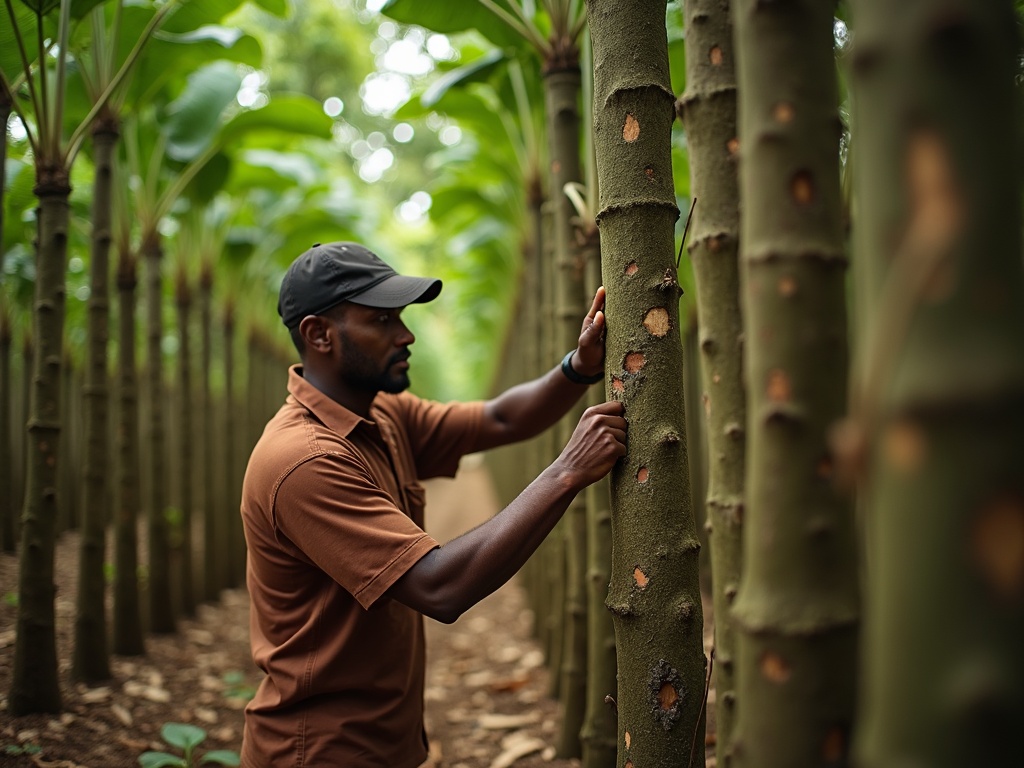
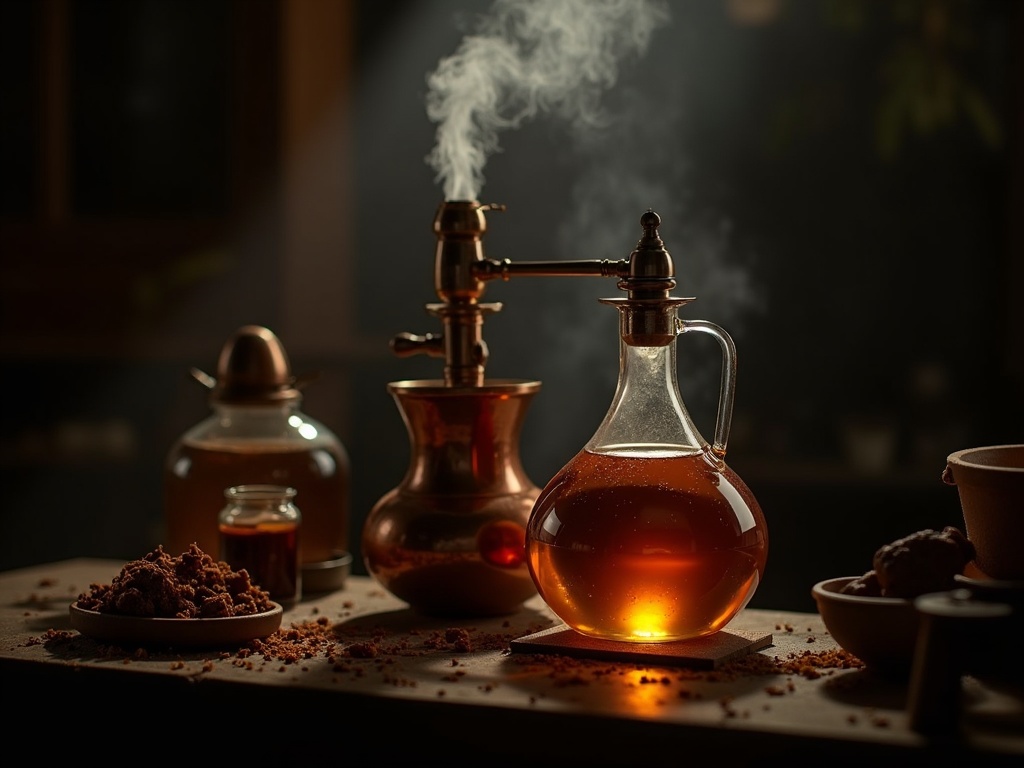
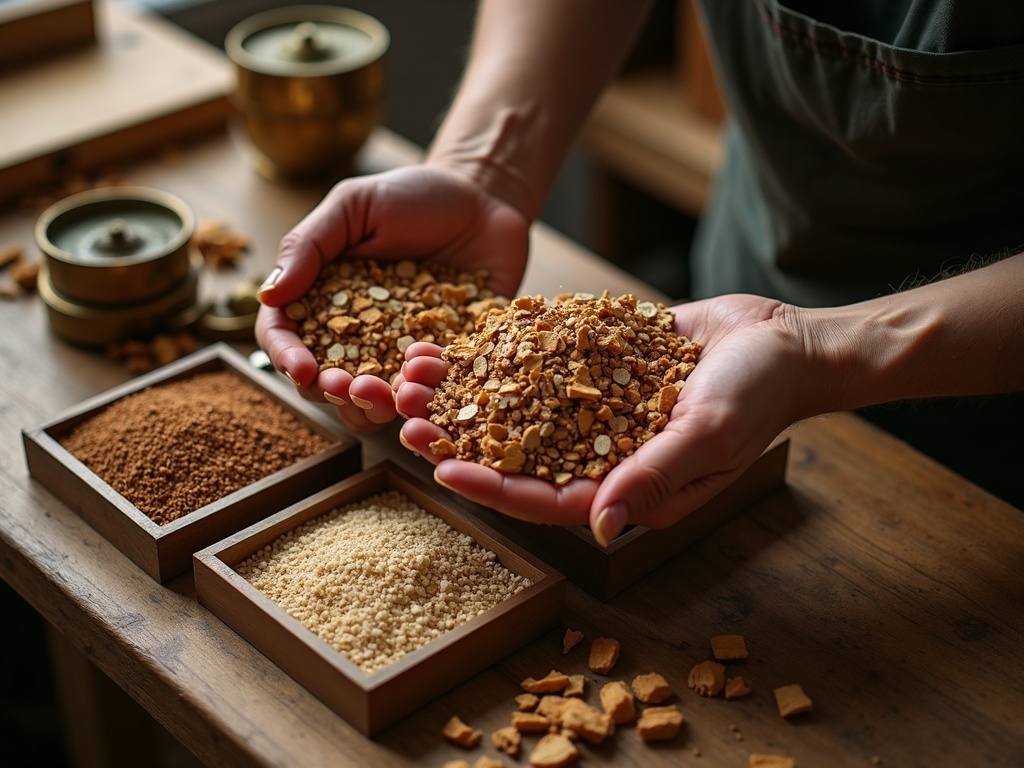
Sourcing routes
Where would you like to start?
Products & grades
Export process & services
Highest-intent questions
Agarwood export, answered honestly
Is agarwood legal to export from Indonesia?
Yes, when done lawfully. Aquilaria and Gyrinops are CITES Appendix II species, so legal export requires a CITES export permit issued on a BKSDA recommendation, plus species ID and phytosanitary documentation. Confirm current requirements with the CITES Management Authority (Indonesia) and your import country.
Plantation vs wild — which should I buy?
We are plantation-first. Cultivated Aquilaria is renewable, more traceable and has a clearer permit path. Wild-sustainable lots are placed only where a verifiable legal harvest quota exists — never undocumented wild-harvest. See the Plantation vs Wild matrix.
What permits do I need?
Five ordered steps: species identification → BKSDA harvest/lot registration → CITES Appendix II export permit → phytosanitary certificate → customs & HS-code declaration. Each names a responsible party in our permit pathway atlas. We document and broker; we are not a permit authority.
What are your prices and MOQ?
Indicative and grade-dependent (as of 2026): plantation chips USD 500 – 7,000 / kg, oud oil USD 30,000 – 80,000 / kg. Bands are ranges, never single numbers; the final quote confirms grade, resin density and scope. Discuss MOQ and samples via the bulk order page or a quote request.
How is agarwood graded?
By resin saturation, the sinking-vs-floating density test, and aroma. Super A sinks fully with a deep sweet-woody note; C floats with a lighter scent. See the full Grade → Band ledger and try the assay selector.
Request sourcing quote
Tell us the grade & scope — we'll return an honest band.
Share what you're sourcing and we'll respond with an indicative band and the permit path for your case. No account, no obligation. Prefer to browse first? Visit the contact page.
We never sell permit certainty or a customs guarantee. Legal export requires a CITES permit and a BKSDA recommendation.